Prof. Yarub Al-Douri Awarded the NCPD International Prize 2025

Prof. Yarub Al-Douri Awarded the NCPD International Prize 2025

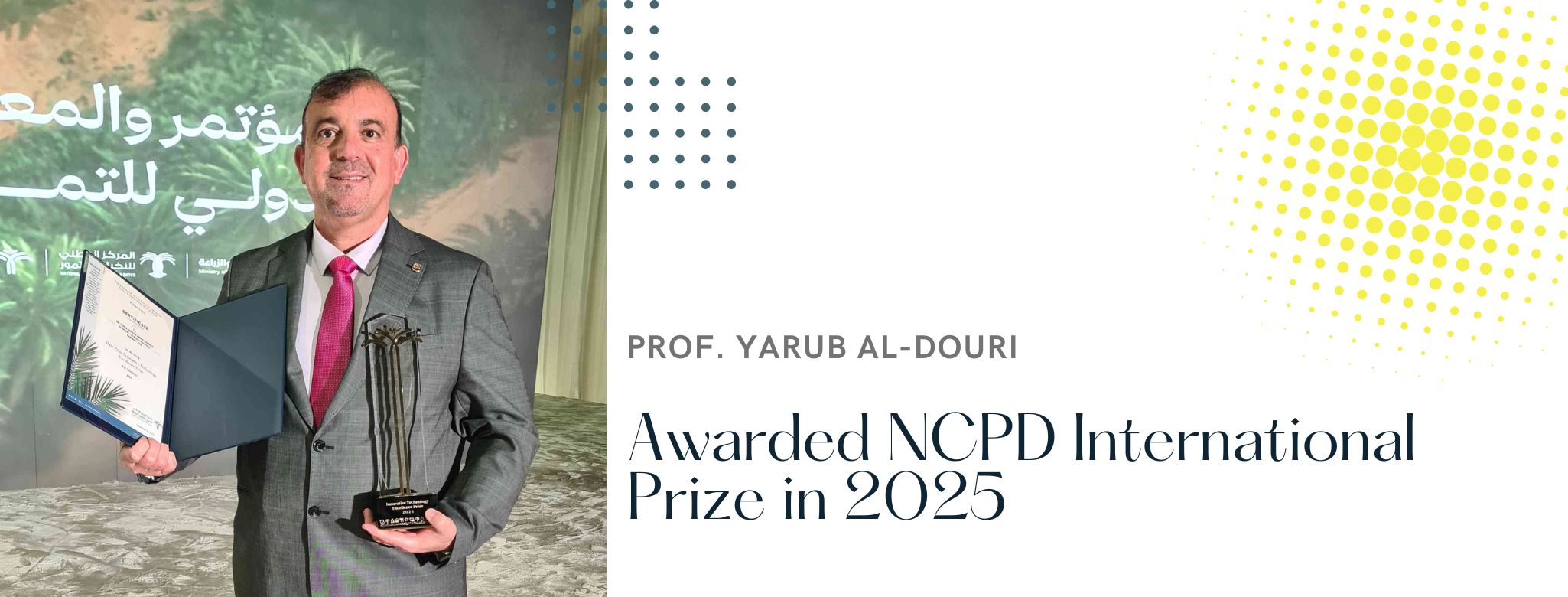
The European Academy of Sciences is pleased to announce that Prof. Yarub Al-Douri, Fellow of EurASc, has been awarded the NCPD International Prize 2025, conferred by Saudi Arabia’s National Center for Palms and Dates (NCPD).

The NCPD International Prize is a global distinction recognising outstanding innovation, scientific research, and technological excellence in the palm and date sector. The award aims to promote sustainability, food security, and technological advancement, honouring researchers and institutions whose work contributes significantly to the development of this strategic field.

Prof. Al-Douri is an internationally recognised materials scientist and nanotechnology expert, whose research spans nanotechnology, renewable energy, nanoelectronics, nanomaterials, semiconductors, modelling and simulation, and optical studies. He has held academic and research appointments across Europe, the Middle East, and Asia, and has played a key role in the establishment of advanced academic programmes and research laboratories in nanotechnology.

In addition to the NCPD International Prize 2025, Prof. Al-Douri is also the recipient of the Khalifa International Award for Date Palm and Agricultural Innovation 2024, and a Fellow of the Islamic World Academy of Sciences. His scientific output includes more than 960 publications, extensive international collaborations, and leadership roles in several high-impact scientific journals.

The European Academy of Sciences warmly congratulates Prof. Yarub Al-Douri on this further distinguished international recognition.

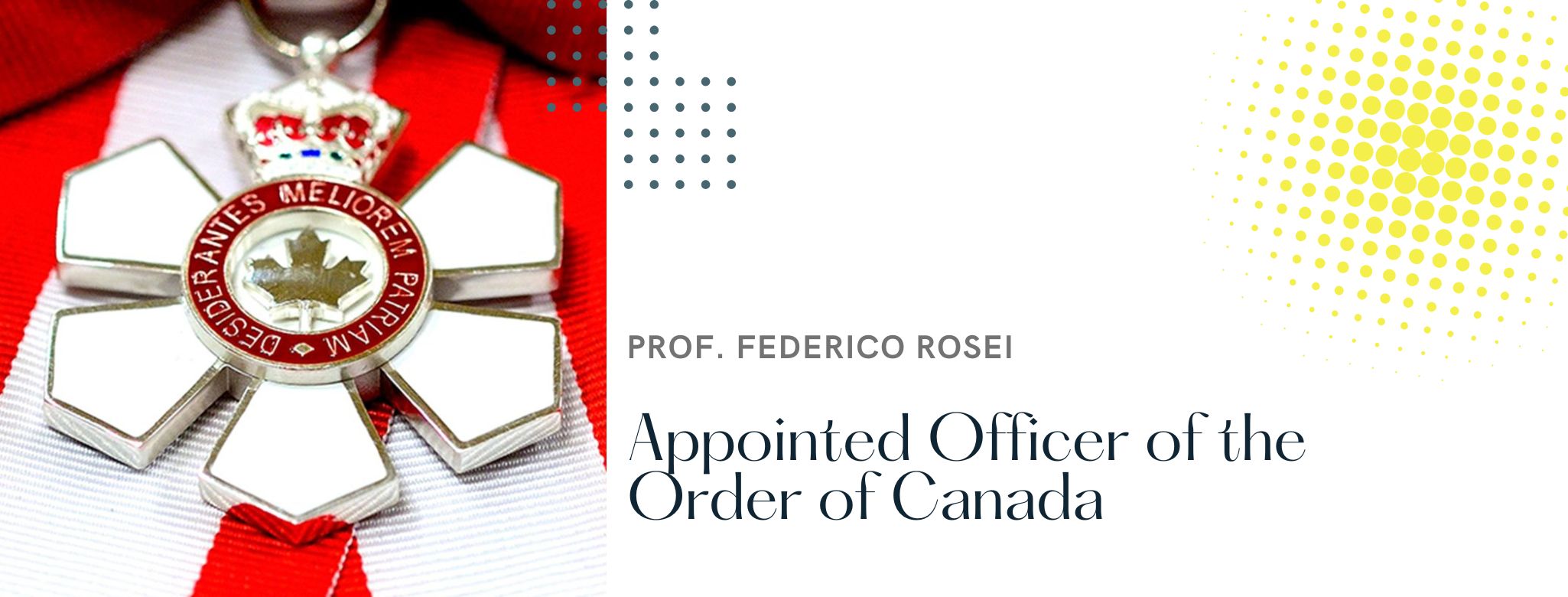
Prof. Federico Rosei Appointed Officer of the Order of Canada

Prof. Federico Rosei Appointed Officer of the Order of Canada

The European Academy of Sciences is delighted to announce that Prof. Federico Rosei, Head of the Materials Science Division at EurASc, has been appointed Officer of the Order of Canada (O.C.) in the 2025 Canadian Honours list. This prestigious recognition is one of the highest honours in the Canadian Honours System, celebrating extraordinary and sustained contributions to society and the nation.

Prof. Rosei is an internationally recognised nanotechnology and materials science specialist, whose seminal, prolific and impactful research has advanced the frontiers of materials engineering and energy science. His work has enabled practical applications and improvements in key technological domains such as solar and renewable energy, contributing to scientific innovation with broad societal relevance.

In addition to his research excellence, Prof. Rosei has served in leadership roles within academic and professional associations, advocating for the advancement of science on a global scale.

The Order of Canada acknowledges individuals whose achievements have enriched the lives of others and helped shape Canada’s national identity. Prof. Rosei’s appointment as an Officer reflects his exceptional contributions to science and innovation, and the esteem in which his work is held by the international community.

🔗 more info here

The Academy offers its warmest congratulations to Prof. Rosei on this well-deserved honour.

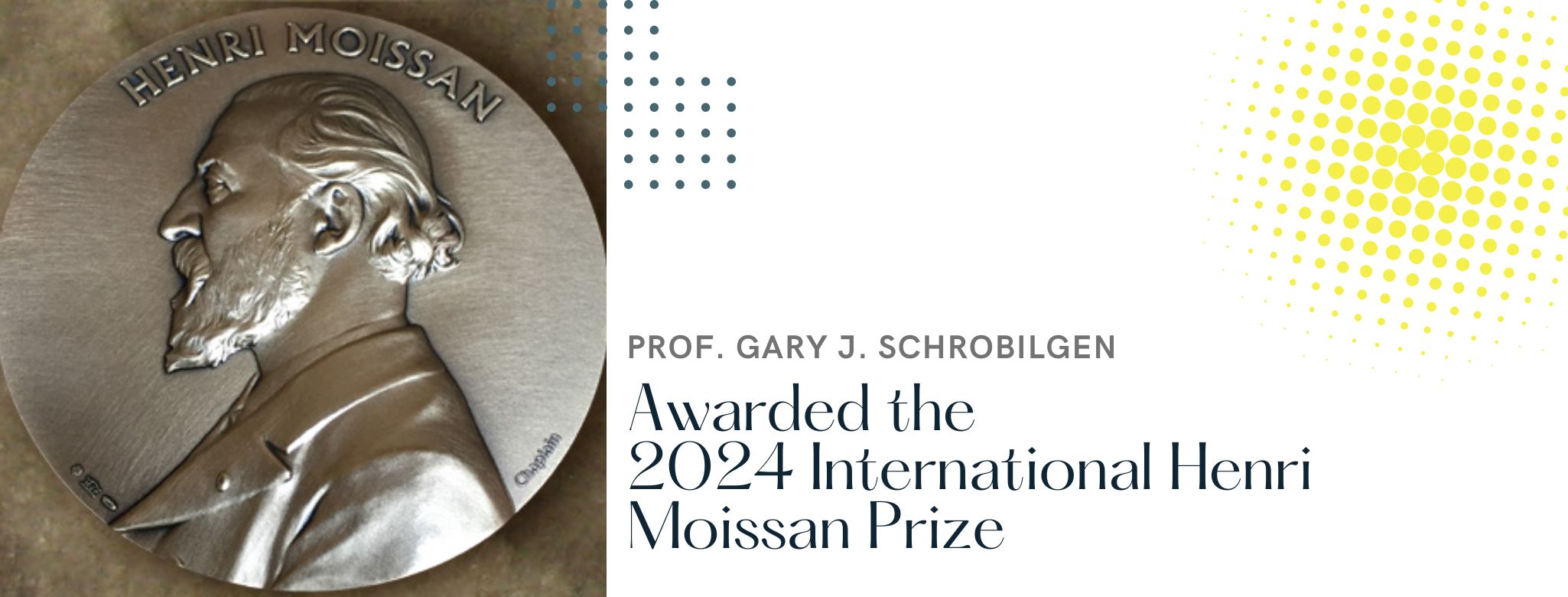
Prof. Gary J. Schrobilgen Awarded the 2024 International Henri Moissan Prize

Prof. Gary J. Schrobilgen Awarded the 2024 International Henri Moissan Prize

The European Academy of Sciences is pleased to announce that Prof. Gary J. Schrobilgen, Fellow of EurASc, has been awarded the International Henri Moissan Prize 2024, one of the highest international distinctions in the field of fluorine chemistry.

The International Henri Moissan Prize, awarded every three years by the Fondation de la Maison de la Chimie, recognises a scientist of international standing for outstanding and sustained contributions to fluorine chemistry and fluorinated compounds. Established in 1986 to commemorate the centenary of Henri Moissan’s isolation of elemental fluorine — a discovery that led to the first Nobel Prize in Chemistry awarded to a French scientist — the prize is widely regarded as the most prestigious distinction in this specialised field.

Prof. Schrobilgen, Professor Emeritus of Chemistry at McMaster University (Canada), is recognised for his seminal work in inorganic fluorine chemistry, including noble-gas chemistry, main-group and transition-metal fluorine chemistry, and radiochemistry. His research has had significant applications in areas such as nuclear energy production, photovoltaic and semiconductor materials, advanced rocket propellants, refrigerants, microelectronics, as well as medical imaging and radiopharmaceutical development.

The award ceremony took place on 5 November 2025 at the Fondation de la Maison de la Chimie in Paris, following a postponement from 2024 due to scheduling disruptions caused by the COVID-19 pandemic. The Moissan Medal was presented during a dedicated scientific symposium organised for this occasion.

The European Academy of Sciences warmly congratulates Prof. Gary J. Schrobilgen on this distinguished international recognition.

In Memoriam – Prof. David A. Dixon (1949–2026)

In Memoriam – Prof. David A. Dixon (1949–2026)

The European Academy of Sciences (EurASc) announces with deep sorrow the passing of Prof. David A. Dixon, Fellow of EurASc and Robert Ramsay Chair in the Department of Chemistry at the University of Alabama (USA), who passed away on 2 January 2026, at the age of 76.

Born on 3 December 1949 in Houston, Texas, Prof. Dixon was a world-leading scientist in computational chemistry, internationally recognised for his pioneering contributions to fluorine chemistry, catalysis, environmental chemistry, and large-scale molecular simulations. He earned his B.Sc. in Chemistry from the California Institute of Technology and his Ph.D. from Harvard University, where he worked under Nobel Laureates William Lipscomb and Dudley Herschbach.

Throughout his distinguished career, Prof. Dixon held senior academic and leadership positions at the University of Minnesota, DuPont Central Research, Pacific Northwest National Laboratory, and later at the University of Alabama, where he served from 2004 onwards. His work played a decisive role in the development of computational chemistry as a strategic tool in industry and environmental protection, notably contributing to the replacement of ozone-depleting chlorofluorocarbons and helping to protect the stratospheric ozone layer.

Prof. Dixon was a central figure in the development of major scientific software infrastructures, including NWChem and the Molecular Sciences Software Suite, which received both R&D 100 and Federal Laboratory Consortium Technology Transfer Awards. He authored more than 900 scientific publications, held multiple patents, delivered hundreds of invited lectures worldwide, and mentored generations of students and young researchers.

A Fellow of several leading scientific societies, including the European Academy of Sciences, Prof. Dixon will be remembered not only for his exceptional scientific legacy but also for his generosity as a mentor, collaborator, and colleague.

The EurASc community extends its sincere condolences to his family, friends, and colleagues worldwide.

In Memoriam – Prof. Herbert W. Roesky (1935–2025)

In Memoriam – Prof. Herbert W. Roesky (1935–2025)

It is with deep sadness that the European Academy of Sciences announces the passing of Prof. Herbert W. Roesky, Fellow of EurASc and recipient of the 2024 Leonardo da Vinci Award. He passed away on 5 December 2025 at the age of 90.

Prof. Roesky was an internationally recognised chemist whose pioneering contributions to inorganic chemistry, extensive scientific output, and commitment to education have left a lasting mark on the field. His work inspired generations of researchers and students, and his long-standing involvement with EurASc was held in high regard by our community.

We extend our sincere condolences to his family, colleagues and friends.

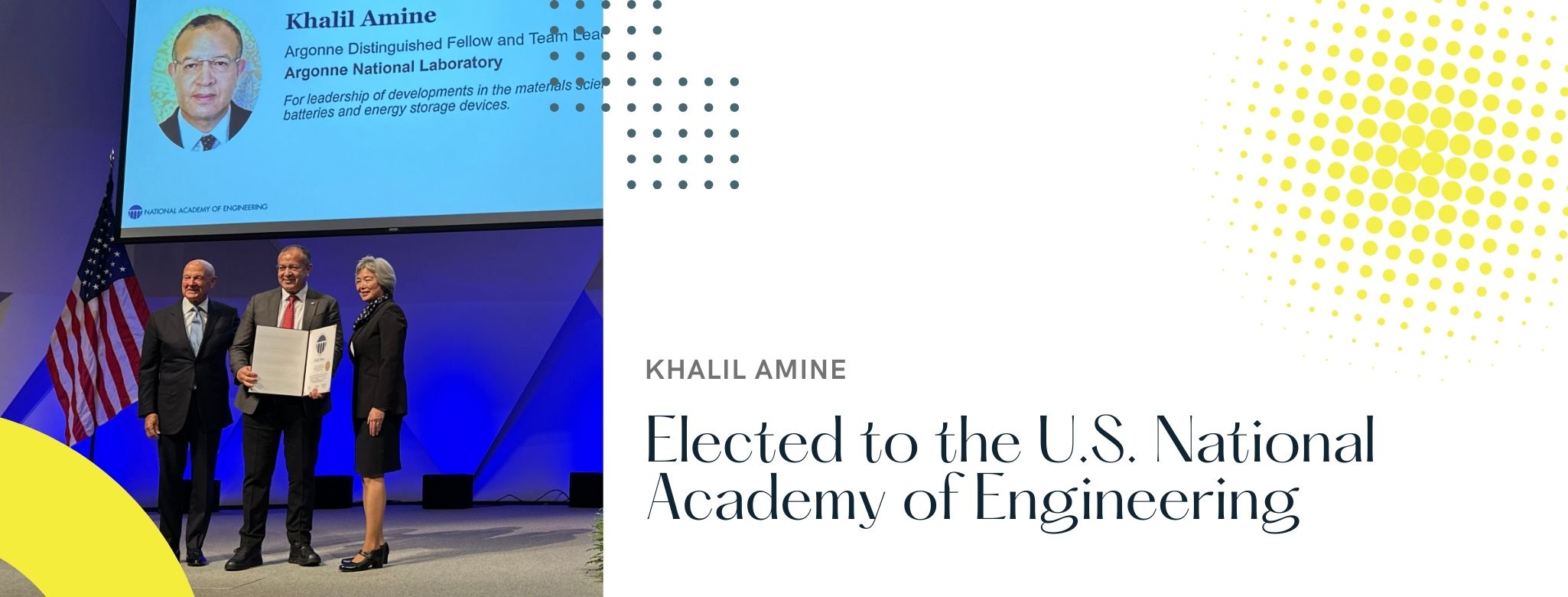
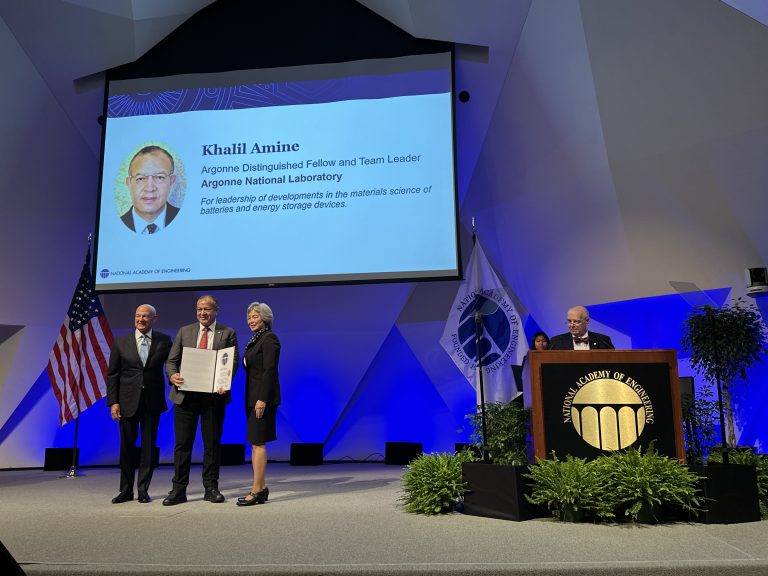
Khalil Amine Elected to the U.S. National Academy of Engineering

Khalil Amine Elected to the U.S. National Academy of Engineering

The European Academy of Sciences is delighted to congratulate Prof. Khalil Amine, EurASc Fellow and Argonne Distinguished Fellow, on his election to the National Academy of Engineering (NAE) in the United States as part of the Class of 2025.

Prof. Amine was selected “For Leadership of developments in the materials Science of Batteries and energy storage devices”, a distinction that recognises his outstanding contributions to advanced battery research, energy storage innovation, and the development of next-generation materials and chemistries.

A leading materials scientist at the U.S. Department of Energy’s Argonne National Laboratory and Professor at the University of Chicago, Prof. Amine heads Argonne’s Advanced Battery Technology programme. His research spans advanced lithium-ion systems, solid-state electrolytes, novel cathode and anode materials, and “beyond-lithium” chemistries with applications across automotive, grid, aerospace, military, and medical technologies.

With more than 200 patents and over two decades as one of the world’s most cited scientists in battery technology, Prof. Amine has significantly influenced the global landscape of energy storage science. Among numerous distinctions, he received the Global Energy Prize (2019) and is a distinguished member of several leading scientific societies, including EurASc.

Prof. Amine emphasised that this honour reflects not only his own work but also the dedication of colleagues and collaborators worldwide, as well as the exceptional research environment at Argonne National Laboratory.

Founded in 1964, the NAE elects new members through peer review to acknowledge exceptional contributions to engineering research, practice, and education. Prof. Amine and the other members of the 2025 class will be formally inducted during the NAE Annual Meeting in October.

EurASc warmly congratulates Prof. Amine on this prestigious achievement and proudly celebrates the continued excellence of its Fellows on the international stage.

Establishment of the Asia-Pacific Center of the European Academy of Sciences (EurASc)

Establishment of the Asia-Pacific Center of the European Academy of Sciences (EurASc)
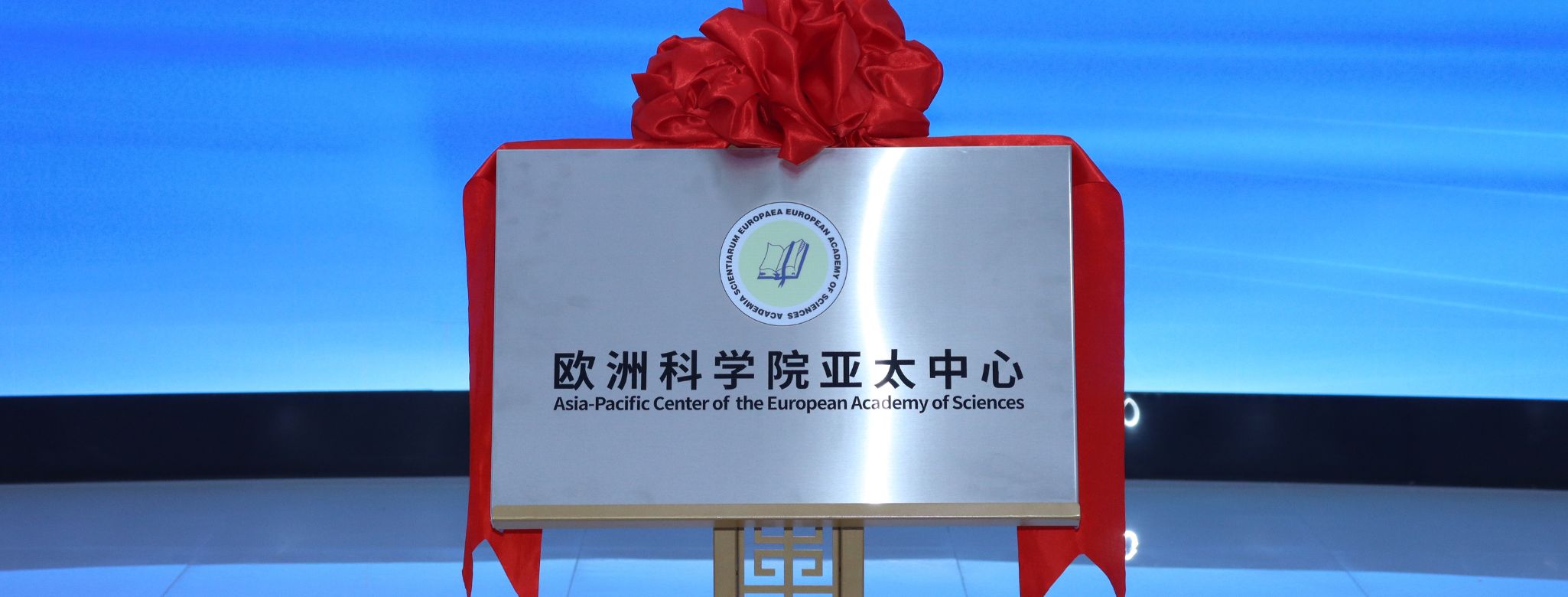
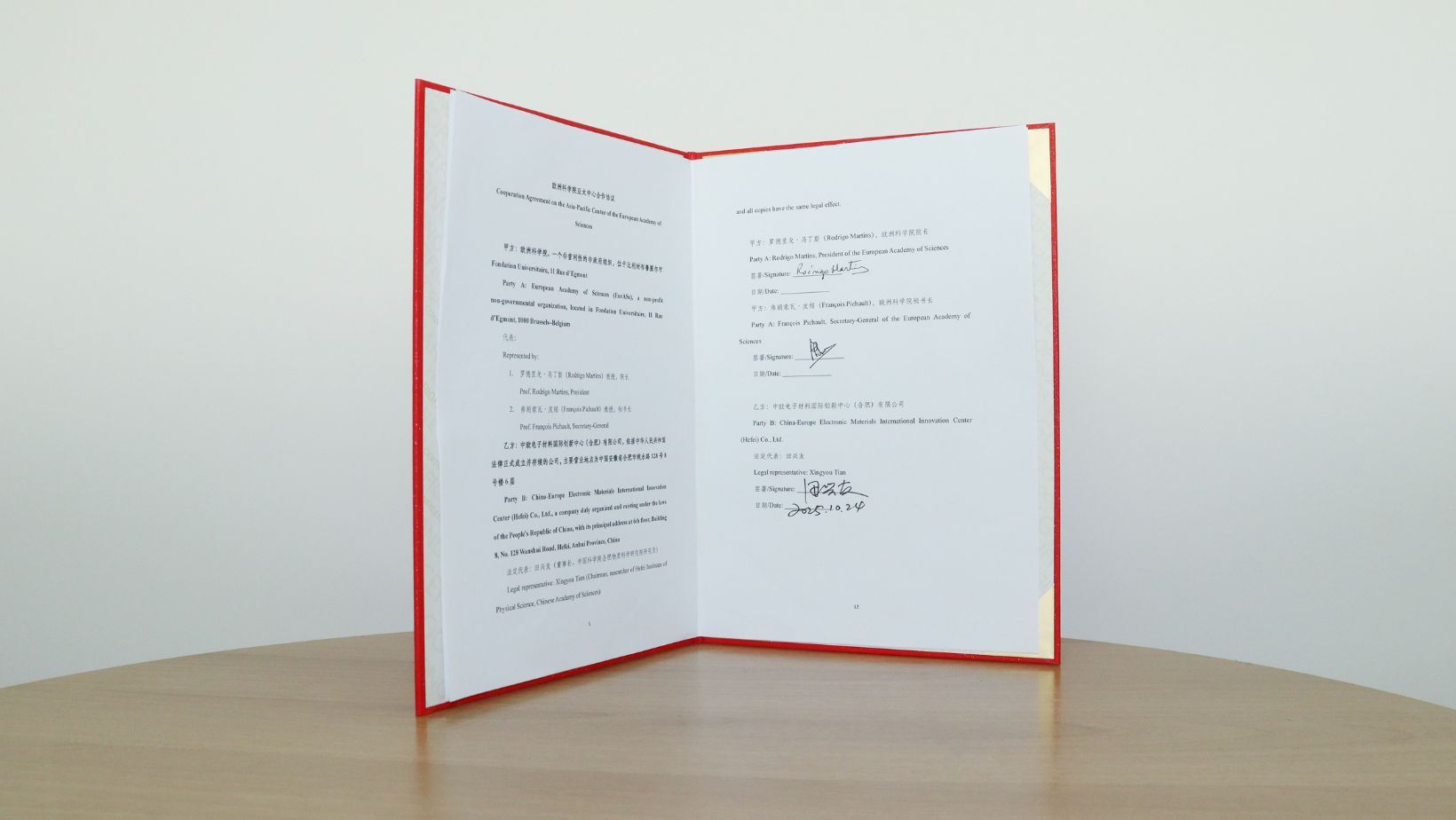
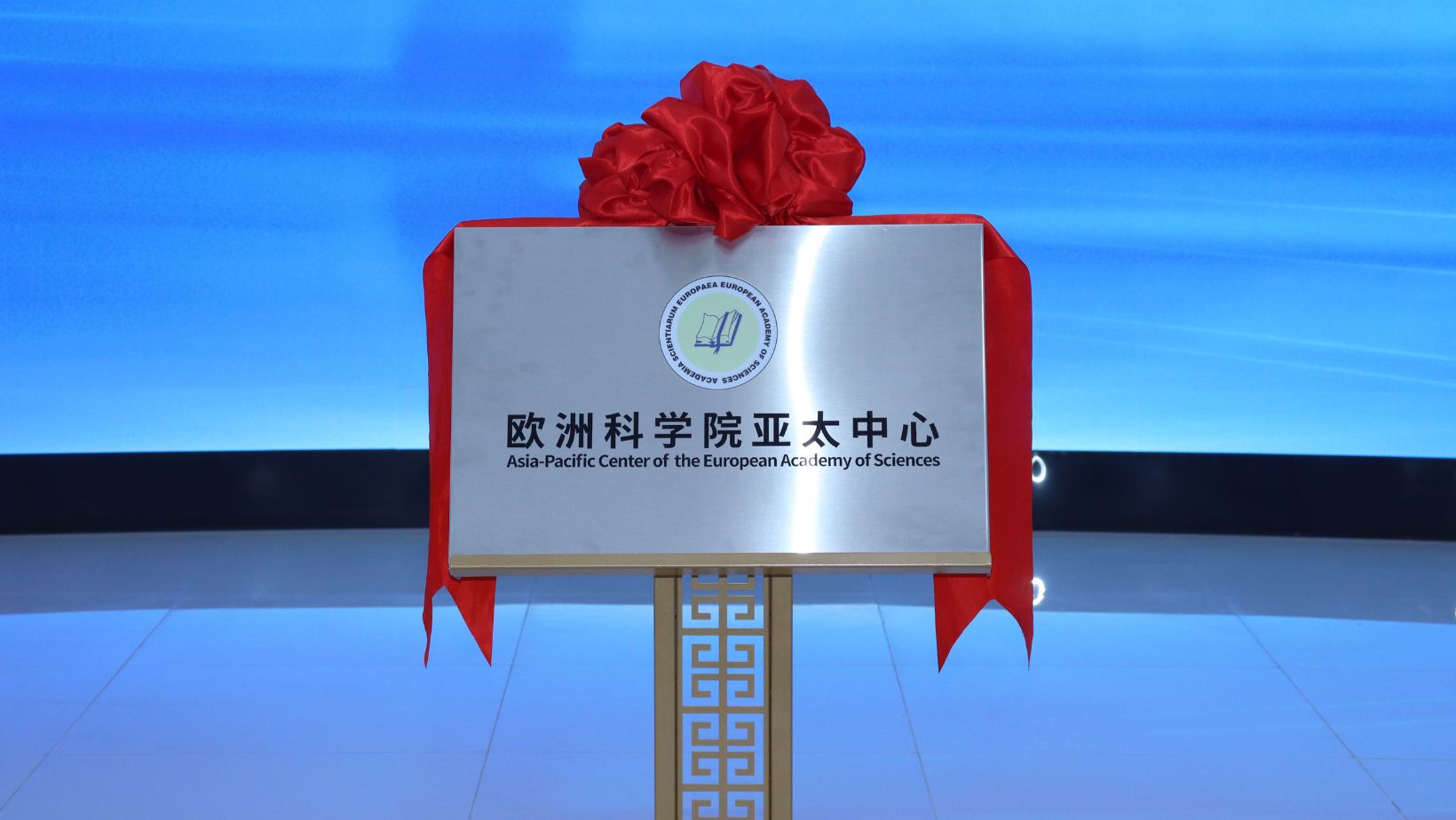
The European Academy of Sciences (EurASc) is pleased to announce the official signing of the Cooperation Agreement establishing the Asia-Pacific Center of EurASc, marking a significant milestone in advancing scientific collaboration between Europe and the Asia-Pacific region.
 
The agreement was signed on October 2025 between EurASc –represented by its President, Prof. Rodrigo Ferrão de Paiva Martins, and Secretary-General, Prof. François Pichault – and the China- Europe Electronic Materials International Innovation Center(Hefei) Co., Ltd., represented by Prof. Tony Xingyou TianResearcher at the Hefei Institutes of Physical Science, Chinese Academy of Sciences, and Professor and Vice President of Anhui Normal University.
 
The new Asia-Pacific Center, based in Hefei, Anhui Province, will serve as a strategic hub for academic exchange, joint research initiatives, and innovation. Its mission is to promote interdisciplinary cooperation in advanced materials, new energy, information technologies, and related scientific domains, strengthening the global visibility and impact of EurASc through enhanced Europe – Asia engagement.
 
The Hefei Municipal Government has committed to provide assistance with scientific collaboration, conference organisation, and other operational needs. In addition, Hefei will support EurASc Congresses and scientific events held in China. Further details about this support will be shared in the near future as planning progresses.
 
The Asia-Pacific Center Secretariat will operate under the China -Europe Electronic Materials International Innovation Center, with Prof. Tony Xingyou Tian as Responsible Officer, Prof. Yi Gong as Vice Officer, and Ms. Olivia Zhang as Assistant and Liaison, supported by the Center’s administrative and financial teams. EurASc will appoint a dedicated contact to ensure full coordination and alignment with the Academy’s procedures. Moreover, to strengthen the Center’s academic foundation and its connections with key research institutions, Prof. Liang WANG from the Hefei Institutes of Physical Science, Chinese Academy of Sciences, will join the Center as a senior advisor.
 
The Center is planing for high-level scientific forums, collaboration with Nobel and Fields Laureates, joint applications for national scientific research projects, and talent introduction initiatives are already being explored. Further information on these activities will be announced as planning develops and agreements are finalised.
 
This initiative marks an important step in EurASc’s global outreach, reinforcing the Academy’s commitment to scientific excellence, international cooperation, and the advancement of knowledge for societal benefit.


EurASc General Assembly Meeting #02.2025

EurASc General Assembly Meeting #02.2025

Dear EurASc Members,

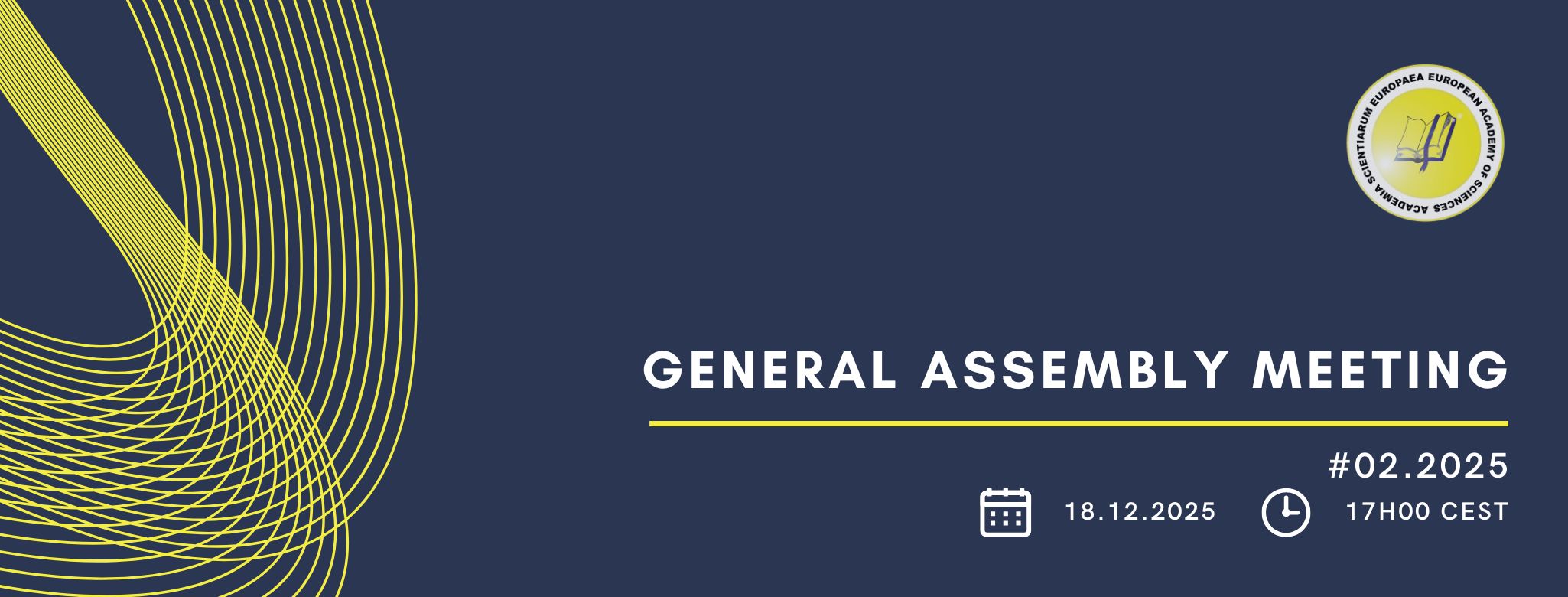
On behalf of Prof. Dr. Rodrigo Martins, President of the European Academy of Sciences (EurASc), I am pleased to invite you to the EurASc General Assembly Meeting #02/2025, which will take place in hybrid format during the EurASc Annual Symposium & Ceremony 2025.


📅 Date: December 18th, 2025
🕔 Time: 17:00 (Geneva time)
📍 Format: Hybrid – In person at CERN and online (MTeams link will be provided in due time)


AGENDA

  • Presentation of the Newly Elected Presidium 

    •  Introduction of the new Presidium Members (mandate 2025–2029)

  • Welcome to the New Scientific Committees 

    • Presentation of newly appointed Members of the Divisions’ Scientific Committees

  • Collaborative Actions and Institutional Partnerships – Overview and discussion of EurASc ongoing and prospective collaborations, including:

    • ABC (Academia Brasileira de Ciências)

    • Hefei Institutes of Physical Science (CAS)

    • Other strategic international partnerships 

  • Outlook for 2026 Activities;

  • 2026 Symposium & Planning  

    • Proposal of scientific and outreach initiatives for 2027

  • Open Proposals and Members’ Contributions 

    • Discussion of new initiatives suggested by Fellows

  • Concluding Remarks – Closing statements and acknowledgments
 

Agenda Additions

Members wishing to propose additional agenda items or resolutions must submit them no later than one week before the meeting.
Deadline for submissions: December 11, 2025.


Members participation is highly valued, and we look forward to welcoming you at the General Assembly.

Call for 2026 EurASc Awards Nominations

Call for 2026 EurASc Awards Nominations

The European Academy of Sciences (EurASc) is now accepting nominations for the 2026 Blaise Pascal Medals and the Leonardo da Vinci Award, which celebrate exceptional achievements in science and technology.

We invite EurASc members to nominate outstanding individuals, including both members and non-members of the Academy, who have significantly advanced their fields.

🏅 Blaise Pascal Medals

  • Submission Deadline: April 15th, 2026
  • Up to nine medals (one per division) may be awarded.
  • Nominations are evaluated by the scientific committees of each division and finalized through voting by the General Board.

🏆 Leonardo da Vinci Award

  • Submission Deadline: January 15th, 2026
  • A singular honor awarded annually.
  • Candidates are proposed by Active Members, ranked by divisions, and selected by the Presidium.


Submission Process

All nomination materials must comply with the guidelines and include the required documentation:

  • A completed nomination form
  • Letter of nomination from a EurASc Member
  • Two to three letters of support (one from a EurASc Member other than the nominator)
  • Candidate’s updated CV + List of publications and citation metrics

The awardees will be announced in June 2026, and the formal presentation will occur during the Annual Ceremony.

For more information and detailed submission guidelines, visit our Awards Page.

Let’s honor excellence in science and technology together!

Fellow Prof. Mohan Edirisinghe delivers UCL Lunch Hour Lecture

Fellow Prof. Mohan Edirisinghe delivers UCL Lunch Hour Lecture

The University College London (UCL) Lunch Hour Lecture series, established in 1942, is one of the university’s most popular public outreach initiatives. The series showcases the exceptional research conducted across UCL and is free and open to all. Since 2020, the lectures have also been made accessible online, reaching a wide international audience.

It was a great honour for Prof. Mohan Edirisinghe, Fellow of the European Academy of Sciences, to be invited to deliver one of these prestigious lectures.

📅 Lecture Title: Waste to Wonder –  Can Nature’s Leftovers Shape the Future of Green Manufacturing?

25 November 2025, 1:00 pm–2:00 pm

🔗 Watch the lecture here

Prof. Edirisinghe’s participation in this historic lecture series highlights his outstanding contributions to research and innovation, as well as his continued commitment to sharing science with society.