
Earth and Environmental Sciences Division
The Earth and Environmental Sciences Division of the European Academy of Sciences brings together distinguished scientists working across environmental science, earth systems, and climate-related research, promoting excellence in both fundamental and applied research and fostering interdisciplinary collaboration.
The Division is coordinated by its Head of Division (HoD), supported by a Scientific Committee composed of up to four Members. In accordance with the Statutes and Bylaws of EurASc, both the Head of Division and the Scientific Committee are elected by the Active Members of the Division.
They serve three-year mandates, renewable up to two times, contributing to the evaluation of new member nominations, the identification of scientific priorities, and the development of the Division’s activities.
The Earth and Environmental Sciences Division plays a central role in addressing global environmental challenges and contributes to the selection of candidates for EurASc awards.
The current leadership and statistics of the Division are presented below.
Sabrina Speich

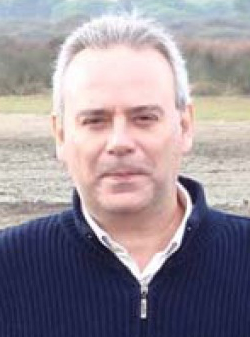
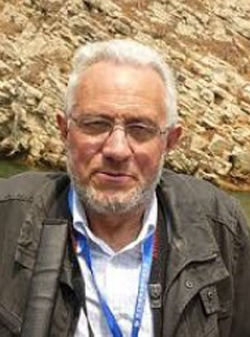
Scientific Committee of the Division
The current Scientific Committee includes Members serving different terms, in accordance with the outcome of the divisional elections:
- Scientific Committee Members elected in 2025: 1 May 2025 – 30 April 2028
- Scientific Committee Members elected in 2026: 1 June 2026 – 31 May 2029
The Committee works closely with the Head of Division to support the scientific development of the Division and contribute to the Academy’s mission of promoting excellence in science.

Division Statistics
Overview of the Division’s membership, including composition, representation, and key indicators.