

Kepler Prize
The award is co-organized and financially supported by two European institutions, which choose the theme of the award.
One Prize can be attributed per year.
Kepler Prize Laureates
The Kepler Prize recognises outstanding young scientists whose interdisciplinary research and international collaboration contribute to advancing scientific excellence across borders and disciplines.
2026
From Molecules to Functional Materials and Devices: Chemistry Beyond Equilibrium

An interdisciplinary German–Polish research team was recognised for innovative work in nanoplasmonics, molecular switching systems, advanced inorganic materials, and theoretical thermodynamics.
Hosted in Leipzig (Germany) in collaboration with IOM Leipzig and IPC PAS Warsaw.
2012
New (nano-) materials in energy technology
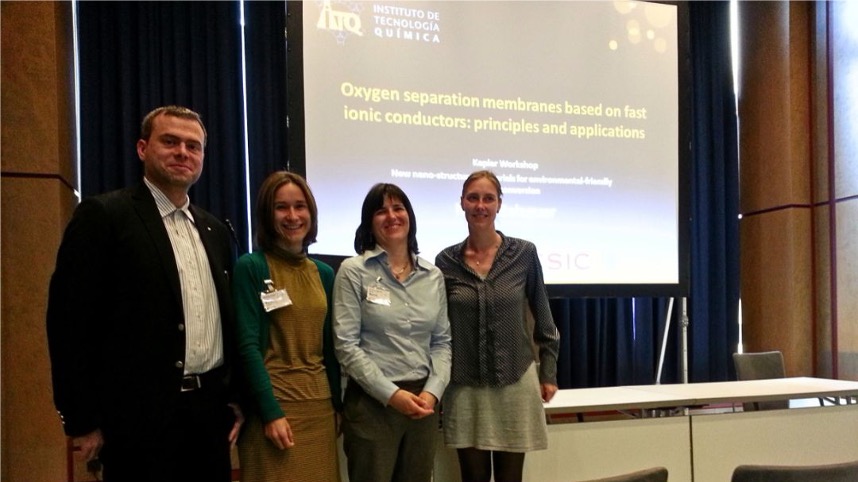
Young European researchers were awarded for interdisciplinary research in nanomaterials, sustainable energy conversion, fuel cells, and CO₂ capture technologies.
Hosted in Karlsruhe (Germany), organised in cooperation with the Karlsruhe Institute of Technology (KIT) and the State of Baden-Württemberg.
2011
Managing Complexity, Reducing Perplexity – Complex Living Systems
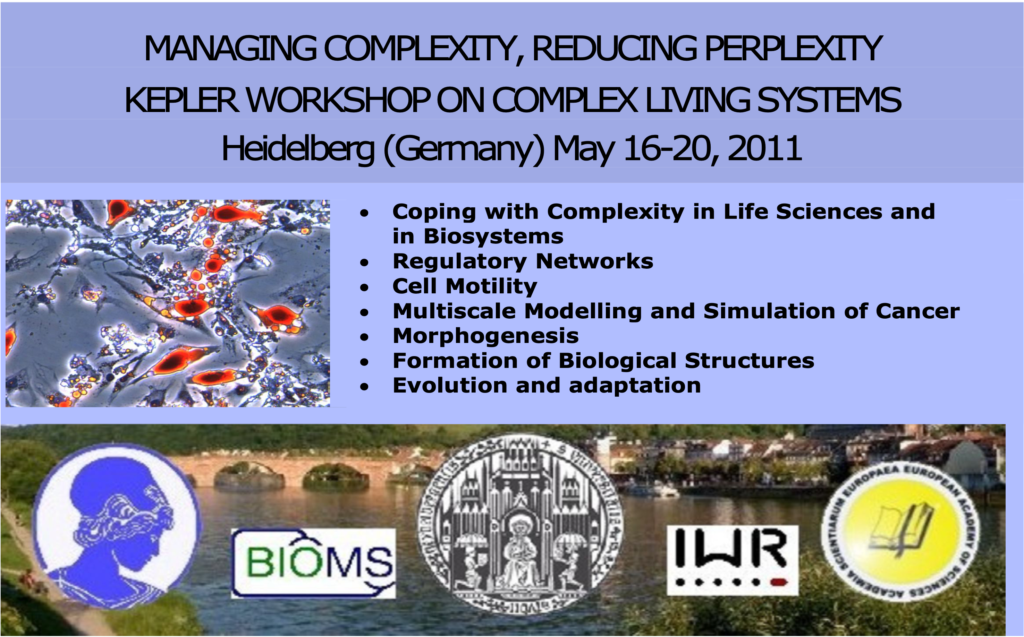
The first Kepler Prize workshop explored interdisciplinary approaches to complexity in life sciences, bringing together researchers in biology, mathematics, physics, and computational modelling.
Hosted in Heidelberg (Germany) in collaboration with EMBL Heidelberg and Politecnico di Torino.